

Tips to Fit Laundry into a Zero Waste Lifestyle
With the convenience of modern washers and dryers, it’s easy to overlook the environmental impact of doing laundry. But the numbers tell a different story. According to the U.S. Environmental Protection Agency (EPA), the average American household uses approximately 51 gallons of water per day on washing clothes, and average dryers account for roughly 6% of our energy bills. With the average American household running around 300 loads each year, it doesn’t take long for that impact to grow.
But you can take actions to help counteract this! By adding a few zero waste habits to your laundry routine, you can reduce your energy use, cut down on waste, and limit exposure to chemicals like volatile organic compounds (VOCs).
What is a zero waste lifestyle?
According to the Zero Waste International Alliance, a zero waste lifestyle focuses on conserving resources through responsible production, consumption, reuse, and recovery of products, packaging, and materials without incineration or dumping materials into a landfill. At its core, it’s about choosing repair and reuse over disposal and finding ways to reduce your overall environmental footprint.
Swapping less eco-friendly solutions for sustainable alternatives
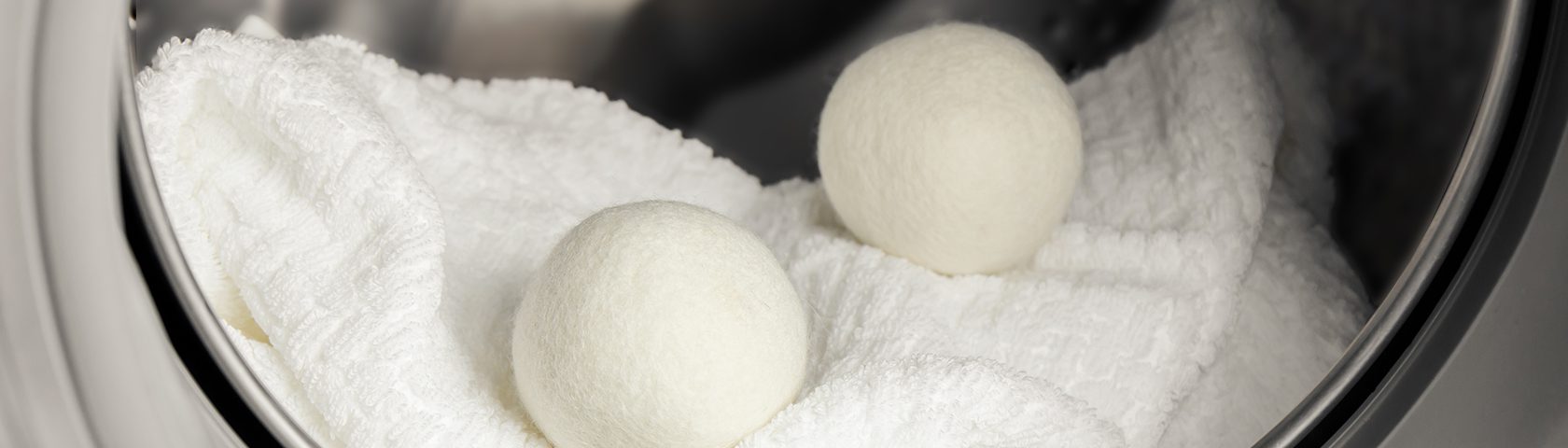
● Balls, not sheets: Try swapping out your traditional dryer sheets with wool dryer balls. These don’t contain any artificial fragrances or abrasive chemicals. Plus, they help to reduce static and soften fabric while cutting drying time by bouncing around and separating clothes during the drying process.
● Go bulk: If you have empty containers at home, put them to good use by refilling with bulk liquid or powder detergent. You’ll have to check out local shops in your area for bulk package-free detergents. This helps eliminate the waste of buying a container made from single-use plastic and reduces the emissions from shipping heavy, water-filled detergents across the country.
● Check the label: When buying off-the-shelf detergent, check the ingredients to make sure you’re getting a product that’s eco-friendly.
What can you do to reduce energy usage and waste during laundry time?
There are a surprising number of actions you can take to reduce your energy usage and waste when cleaning clothes.
● Don’t too much, not too little: First things first, make sure you’re putting the appropriate amount of clothing into your washing machine. Overloading your washer can put strain on the machine itself and not properly clean clothes. You also don’t want to put in small loads as you’ll end up having to run more cycles to clean everything. Whichever machine you own, check the instructions and load appropriately.
● Eco cycle: Most modern washing machines feature an eco-friendly cycle. Using this mode reduces water consumption and is more than enough for most types of everyday clothing.
● Keep it chill: Make sure the cycle you’re using is cold water only, as most energy used by a washer goes to heating the water itself. Cold water gets clothes clean while also preventing color fading and reducing the chance for shrinkage.
● Nature’s dryer: Your dryer is relatively energy intensive, so if you’re using it, switch it to an eco-friendly mode.
The benefits of maintaining clothes for the long haul
If you’re able to follow a zero waste lifestyle for your laundry—using detergents with less chemicals, washing less frequently—you’re also reducing your footprint by extending the lifecycle of your clothes. You won’t need to buy new clothes nearly as often, which both helps your wallet and the planet.
The most sustainable way to start a zero waste lifestyle is through incremental changes
We understand starting a zero waste lifestyle—especially when it comes to laundry—can feel overwhelming. It’s not easy to change routines that have been working for you. That’s why we recommend taking it slow, starting with simple and incremental zero waste lifestyle swaps rather than overhauling your entire laundry routine in a night.
For example, start with wool dryer balls or purchasing a more eco-friendly detergent that’s store bought before fully moving over to bulk detergents. Or maybe start off with only cleaning with cold water.
The key is to start somewhere. From there, you can gradually build in more zero waste habits until you discover a routine that works for you.